AI Surveillance Is Watching Your Neighborhood — And It’s Not Making You Safer

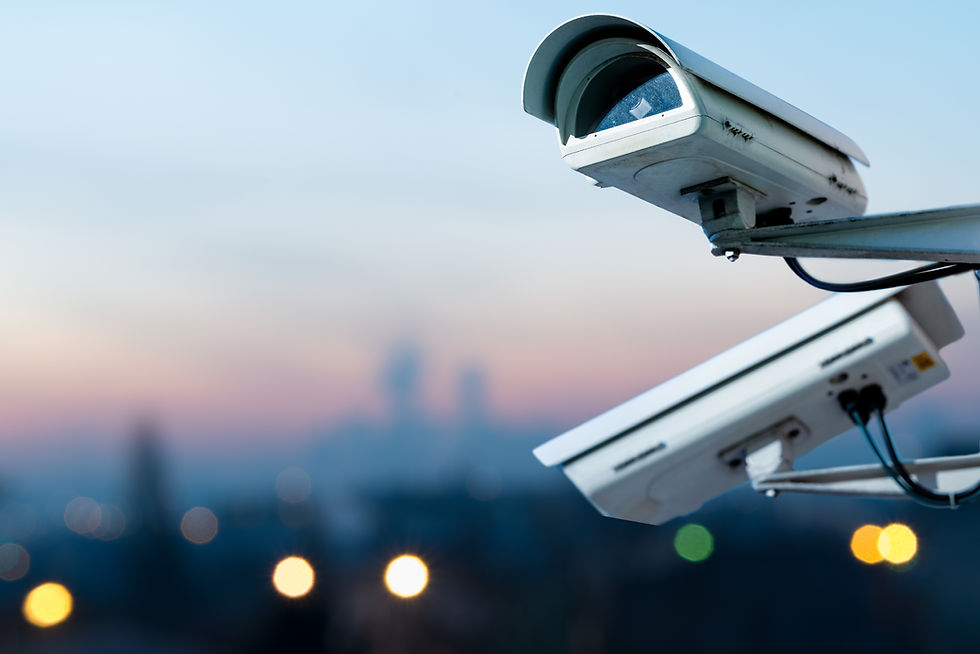
There’s a camera on the corner. A license plate reader at the intersection. A predictive policing algorithm deciding which blocks get more patrol cars. A facial recognition system matching faces in real time. If you live in a Black or brown neighborhood, you are almost certainly being watched by AI-powered surveillance tools — and the evidence that any of it is making you safer is thin to nonexistent.
The Surveillance Landscape
Facial recognition: Systems with higher error rates for Black and brown faces, leading to wrongful identifications and arrests.
Predictive policing: Algorithms using biased historical data that effectively automate racial profiling.
Gunshot detection: Microphone networks with serious accuracy questions deployed disproportionately in communities of color.
The False Promise of Safety
Facial recognition has led to wrongful arrests of Black men in multiple documented cases. Predictive policing increases police contact with already over-policed communities without reducing violent crime. Gunshot detection systems have high false-positive rates, increasing unnecessary and potentially dangerous police encounters. More surveillance does not mean more safety.
What Digital Justice Looks Like Here
Transparency: Communities have a right to know what surveillance tools are being used in their neighborhoods.
Community control: Decisions about surveillance technology should involve the people being surveilled. Community oversight boards with real authority are a start.
Investment in alternatives: The money spent on surveillance could fund community programs, mental health services, youth employment, and violence intervention — approaches that actually reduce harm.
You deserve to walk through your own neighborhood without being treated as a suspect. Safety and surveillance are not the same thing.


Comments